Want to keep your home cool without breaking the bank this summer? Focus on these simple steps to get the most out of your air conditioner and your home’s energy use.
Key Takeaways
- Regular maintenance and addressing small AC issues can prevent big problems and save you money.
- Smart thermostat use and good home insulation are key to keeping cool air in and hot air out.
- Consider upgrading an old air conditioner to a newer, more efficient model for long-term savings.
Maximize Air Conditioner Efficiency Lower Merion PA
Keeping your air conditioner running smoothly is a big deal, especially when those hot Lower Merion summers hit. A well-maintained AC doesn’t just keep you cool; it actually uses less electricity, which means lower bills for you. Think of it like getting an oil change for your car – it just runs better when it’s taken care of.
Schedule Regular AC Maintenance
Getting your AC checked out before the summer really kicks in is probably the smartest move you can make. It helps catch little problems before they turn into big, expensive ones. Plus, a tune-up can make your system more efficient, saving you money month after month. It also helps your AC last longer, so you won’t have to think about replacing it anytime soon.
Here’s what a good AC check-up usually involves:
- Cleaning the coils: Dirt buildup on the evaporator and condenser coils makes your AC work harder.
- Checking refrigerant levels: Too little or too much can mess with performance and efficiency.
- Inspecting electrical connections: Loose wires can be a safety hazard and cause problems.
- Cleaning or replacing filters: A clogged filter is a major energy drain.
- Checking the condensate drain: This prevents water buildup and potential damage.
- Testing the thermostat: Making sure it’s accurate keeps your home at the right temperature.
Skipping regular maintenance is like ignoring a small leak in your roof. It might seem minor now, but it can lead to much bigger, costlier problems down the line. For your AC, that means higher energy bills and a shorter lifespan for the unit.
Address Common Cooling Issues
Sometimes, you’ll notice your AC isn’t quite right. Maybe one room is always warmer than the others, or you hear weird noises coming from the unit. These are signs that something needs attention. Ignoring them can lead to your system working overtime, using more energy, and potentially breaking down when you need it most.
Some common signs your AC might need a look include:
- Uneven temperatures: Some areas of your house are too hot or too cold.
- Strange noises: Banging, rattling, or squealing sounds.
- Warm air blowing: The air coming out of your vents isn’t cool.
- High humidity: Your home feels sticky even when the AC is on.
- Sudden increase in energy bills: Your electricity costs jump without a clear reason.
Getting these issues fixed promptly can prevent them from snowballing into major repairs and keep your system running efficiently all summer long.
Smart Strategies for Lowering Cooling Costs
Keeping your home cool doesn’t have to mean sky-high energy bills. There are plenty of smart ways to manage your cooling costs, and many of them are pretty simple to implement. It’s all about working with your home and your HVAC system, not against them.
Optimize Thermostat Usage
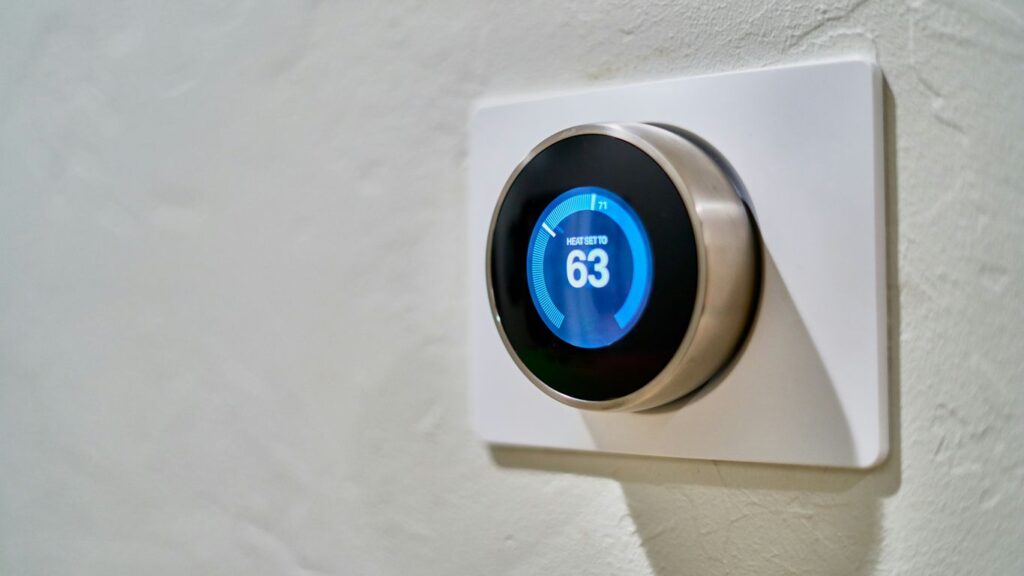
Your thermostat is like the brain of your cooling system, and how you use it makes a big difference. Setting your thermostat just a few degrees higher can lead to significant savings. Think about it: the smaller the gap between the inside temperature and the outside heat, the less work your AC has to do. When you’re home and want to be comfortable, aim for a temperature that feels good but isn’t arctic. If you’re heading out for the day or going to bed, you can bump it up a bit. A programmable or smart thermostat can do this automatically, so you don’t have to remember to adjust it.
Here’s a quick guide to thermostat settings:
- When you’re home and awake: Set to a comfortable temperature (e.g., 78°F).
- When you’re sleeping or away: Increase the temperature by 4-7°F.
- Avoid drastic changes: Don’t crank the thermostat way down when you first turn on the AC thinking it will cool faster. It won’t, and you’ll just end up overcooling your house.
Using your thermostat wisely is one of the easiest ways to cut down on energy use. It’s not about being uncomfortable; it’s about being smart with your settings when you don’t need maximum cooling.
Improve Home Insulation and Sealing
Even the best air conditioner can’t keep your home cool if all that cool air is escaping. Think of your home like a big container – you want to keep the cold air in and the hot air out. This is where insulation and sealing come into play.
- Check for leaks: Look around windows, doors, and any places where pipes or wires enter your house. Small gaps can let a lot of cool air sneak out.
- Seal up drafts: Use caulk or weatherstripping to seal these gaps. It’s a cheap fix that pays off quickly.
- Insulate properly: Make sure your attic and walls have adequate insulation. This acts like a blanket, keeping the heat outside during the summer.
Don’t forget about your ductwork, either. Leaky ducts can lose a surprising amount of cooled air before it even reaches your rooms. Sealing and insulating them can make your whole system run much more efficiently, sometimes by 20% or more. It’s a bit more involved, but the savings can be substantial.
When to Consider AC Replacement
Sometimes, no amount of maintenance or repairs will keep your air conditioner running like new. If your unit is struggling to do its job or keeps breaking down, it’s time to think about an upgrade. Let’s break down the signs and strategies for AC replacement in Lower Merion.
Evaluate Aging Systems
If your air conditioner is over 15 years old, it may be costing you more in the long run. As units get older, they tend to use more energy and cool less effectively. Here’s a quick way to assess your situation:
| AC System Age | Typical Condition | Risk of Failure | Energy Usage |
|---|---|---|---|
| 5-10 years | Good, if well-maintained | Moderate | Standard |
| 11-15 years | Slowing efficiency | Higher | Increased |
| Over 15 years | Frequent repairs needed | Very high | Much higher |
If you find yourself calling a technician every summer, or your power bills keep creeping up, your old system might be draining your wallet more than you realize.
- Frequent repairs and unexpected breakdowns
- Difficulty keeping the whole house comfortable
- Noticeably higher energy bills than past years
Replacing an old system doesn’t just cut costs; it can also make your summer way more comfortable and stress-free.
Upgrade for Enhanced Efficiency
When you go for a new AC, you’re not just swapping one box for another. Modern air conditioners have way better energy ratings and quieter operation. Consider these points before making the switch:
- Look for units with a high SEER (Seasonal Energy Efficiency Ratio) rating.
- Review your home’s insulation and ductwork — new units work best when paired with proper airflow.
- Take advantage of rebates or incentives from local energy companies.
Making the jump to a high-efficiency system pays off over time. You’ll spend less each month on cooling, and the comfort upgrade is usually noticeable right from the start. If you’re on the fence, ask your HVAC pro to show the numbers. Sometimes, the price gap between another repair and a full replacement is smaller than it seems, especially with rising energy costs in Lower Merion.
Thinking about replacing your air conditioner? If your system is old, needs frequent repairs, or just isn’t cooling your home like it used to, it might be time for a new one. Don’t wait until the heat is unbearable! Visit our website today to learn more about our AC replacement services and get a free quote.
Have an AC Concern? Reach Out Today!
Keeping your air conditioner running smoothly and your home well-insulated are the best ways to save money on cooling bills. Regular check-ups and smart energy habits mean less stress and more comfort when the summer heat hits Lower Merion. If your system is old, it might be time to think about an upgrade for even bigger savings and better performance.
Frequently Asked Questions
How often should I get my air conditioner checked?
It’s a good idea to have your air conditioner looked at by a professional at least once a year, ideally in the spring before the hot weather really kicks in. This helps catch small problems before they become big, expensive ones and makes sure your system is ready to go when you need it most.
What’s the best temperature to set my thermostat to?
For saving energy, try setting your thermostat to around 78°F when you’re home and awake. If you’re going to be out for a while, you can set it a few degrees higher. Every degree you raise it can save you money on your cooling bill. Don’t try to cool the house down super fast by setting it to a really low temperature; it doesn’t work any faster and just wastes energy.
My AC seems to be running a lot, but my house isn’t getting cool. What could be wrong?
There are a few things that could cause this. Your air filter might be dirty and need changing, which makes the AC work harder. It’s also possible that your system needs maintenance, like cleaning the coils, or that there’s an issue with the refrigerant. Sometimes, if the system is too old or not sized right for your house, it might struggle to keep up, and it could be time to think about a replacement.